

Can Window Tint Interfere With ADAS Cameras and Sensors?
Advanced Driver Assistance Systems (ADAS) are no longer limited to luxury vehicles. Across brands like Toyota, Honda, Ford, Chevrolet, BMW, Mercedes Benz, Tesla, and many others, camera and sensor driven safety features are now common even on mid level trims. That shift is great for safety, but it also creates new questions for vehicle owners who want comfort upgrades, especially in South Florida heat. Many drivers wonder, “does window tint affect cameras” or “can tint interfere with lane keeping assist?” because ADAS features rely on clear optical paths and accurate sensor data. The concern is understandable when your windshield contains camera modules and your vehicle depends on them for lane keeping assist, forward collision warning, adaptive cruise control, and modern parking technology. The reassuring reality is that modern window tint has been engineered to deliver heat rejection and glare control while maintaining high optical clarity when the right film is selected and installed correctly. With an ADAS safe window tint approach, drivers in Boca Raton and surrounding areas can improve cabin comfort while preserving the safety technology their vehicle uses every day.
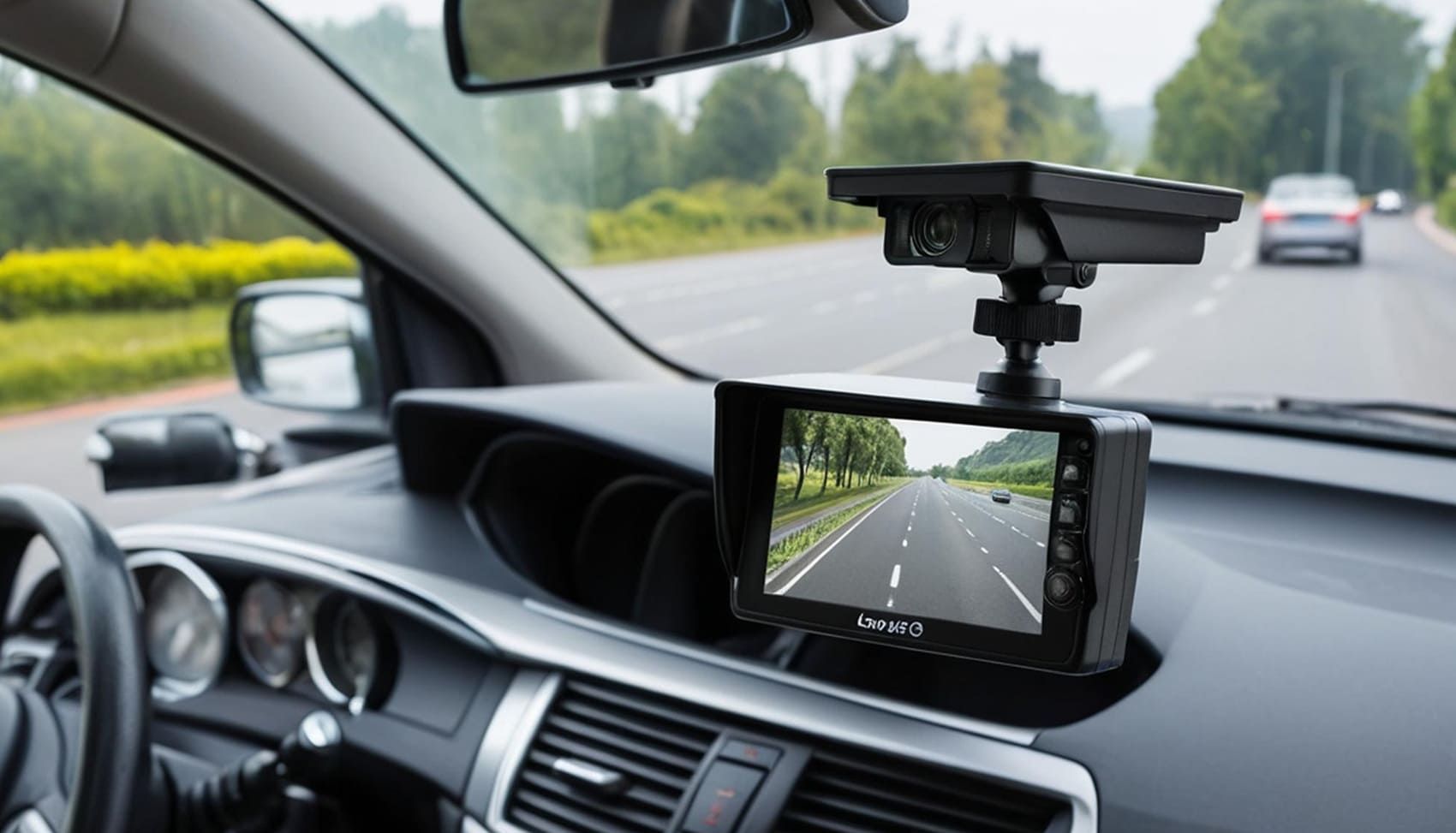
Table of Contents
- 1. How ADAS Cameras and Sensors Work in Modern Vehicles
- 2. Common Myths About Window Tint and Safety Technology
- 3. Metallic vs Non Metallic Tint Films and ADAS
- 4. How Ceramic and Nano Ceramic Tint Supports Clarity
- 5. Windshield Tint and ADAS Safe Installation Practices
- 6. Manufacturer Guidance and Calibration Considerations
- 7. Why Professional Installation Is Critical for ADAS
- FAQ: Boca Raton ADAS and Window Tint Questions
- Conclusion and CTA
1. How ADAS Cameras and Sensors Work in Modern Vehicles
Before you can judge whether window tint ADAS interference is a real risk, it helps to understand what ADAS is actually using to “see” the world. Most vehicles rely on a fusion of sensors. That means the car combines multiple data sources to create a more reliable picture than any single sensor could provide alone.
Windshield mounted forward cameras are the most common ADAS component tied to tint questions. These cameras are typically mounted high on the windshield behind the rearview mirror. They may sit inside a housing that also includes rain sensors or light sensors. Depending on the vehicle, the camera may be a single lens system or a stereo pair that helps measure depth. These cameras support lane keeping assist, lane departure warning, traffic sign recognition, automatic emergency braking, and forward collision warning.
Radar sensors often support adaptive cruise control and forward collision warning by measuring distance and relative speed. Many radar units are mounted behind the front grille, behind an emblem, or low in the bumper. Radar does not typically look through window glass, so side window tint has no practical effect on radar performance. Some vehicles use both camera and radar together, where the camera helps classify objects while radar provides distance tracking.
Ultrasonic sensors are commonly embedded in front and rear bumpers. These are the sensors you often associate with parking sensors that beep as you approach an obstacle. Ultrasonic systems do not depend on light passing through your windows, so window tint on side glass does not block them. If your car has a parking camera, it is usually an external camera that sees through its own lens housing, not through a tinted window.
Surround view cameras may be mounted on mirrors, grille areas, and near the rear license plate. These help create a 360 degree stitched image for parking. Again, these cameras see through their own lenses. Window tint on the side windows is not in their optical path.
Driver monitoring cameras are appearing on more vehicles to detect attention, fatigue, or distraction. These typically face the driver from the steering column area or overhead console. Window tint does not generally affect these cameras because they do not look through exterior glass. They look at the driver and cabin lighting.
So why do drivers still worry about does window tint affect cameras? Because the forward facing windshield camera is sensitive to optical quality. It needs a clear, consistent view of the road to detect lane markings and objects. That is why windshield tint, film quality, and installation technique are the primary factors discussed in ADAS safe window tint conversations.
Which ADAS Features Are Most Likely to Raise Tint Questions?
- Lane keeping assist and lane departure warning , which rely on lane line detection
- Forward collision warning and automatic emergency braking , which rely on identifying vehicles, pedestrians, and hazards
- Adaptive cruise control , which uses radar and sometimes camera confirmation
- Traffic sign recognition , which is camera based
If you are a Boca Raton driver researching lane assist window tint, your main focus should be windshield camera clarity and the quality of the film installed on glass that is within the camera’s viewing path.
2. Common Myths About Window Tint and Safety Technology
Online forums and social media often amplify worst case scenarios, and tint is no exception. Let’s break down the most common myths so you can make a confident decision about tinting an ADAS equipped vehicle.
Myth: Any tint will break ADAS. ADAS is designed to function across real world conditions, including early morning glare, rainy weather, and nighttime headlight flare. A high quality film that maintains optical clarity can be compatible with these systems. Most interference complaints trace back to poor film quality, poor installation, or windshield replacement and calibration issues that existed before tint was applied.
Myth: Side window tint affects lane keeping assist. Lane keeping assist relies on a forward camera mounted on the windshield near the rearview mirror. Side windows are not in that camera’s path. Side glass tint can reduce heat and glare for the driver, but it does not change what the forward camera sees.
Myth: Parking sensors will stop working with tint. Parking sensors are typically ultrasonic sensors embedded in bumpers. Window tint does not block ultrasonic waves because the sensor is not using glass as a transmission medium. If you have a camera based parking system, those cameras are mounted externally and see through a lens housing, not your tinted side window.
Myth: Metallic tint always causes interference with everything. Metallic films can introduce signal and reflectivity concerns, but “always” is too absolute. The more accurate statement is that non metallic films are generally a safer choice for modern vehicles because they avoid potential radio frequency issues and can provide excellent optical performance. That matters when you are trying to choose an ADAS safe window tint.
Myth: Windshield tint is always unsafe on ADAS vehicles. Windshield tint does require extra care, but it is not automatically unsafe. The key is film selection, legal compliance, and installation practices that protect the camera viewing zone. Many drivers choose a very light, high clarity windshield film for heat reduction in South Florida. The success of that choice depends on professional execution.
If you are looking for a practical takeaway, it is this: avoid bargain films and avoid shortcuts. If the goal is comfort and safety, premium non metallic films installed by a professional shop are the smart path.
3.Metallic vs Non Metallic Tint Films and ADAS
Film construction is one of the most important factors in conversations about window tint ADAS interference. Not all tint films reject heat the same way. Some rely on dyes, some rely on metal layers, and premium films often use carbon or
ceramic technology.
| Film Type | How It Rejects Heat | Optical Clarity | Signal Friendliness | Best Use Case |
|---|---|---|---|---|
| Dyed | Absorbs heat and reduces glare | Varies by quality | High | Entry level glare and privacy |
| Metalized | Reflects heat using metallic layers | Can be reflective, may haze | Lower | Older tech heat reflection |
| Carbon | Blocks IR heat without metal | High | High | Strong heat reduction without metal |
| Ceramic | Blocks IR with ceramic particles | Very high | Very high | Premium heat rejection and clarity |
| Nano ceramic | Advanced ceramic particle technology | Very high | Very high | Top tier performance for modern vehicles |
Metallic films can sometimes reduce signal quality for devices that rely on radio frequency transmission. In everyday terms, some drivers have reported impacts to GPS accuracy, mobile signal strength, or key fob range in certain situations. Not every vehicle experiences the same effect, but it is a real reason many modern drivers prefer non metallic options.
From an ADAS perspective, metallic films can also be more reflective. Reflectivity and haze are not automatically dangerous, but for a windshield camera that relies on high contrast and consistent optics, it is sensible to avoid adding variables. That is why the phrase ADAS safe window tint often points to ceramic and nano ceramic films.
BOCA TINT & AUDIO serves Boca Raton, FL and surrounding areas with premium window tint solutions. We are a SelectPro LLumar dealer installing LLumar FormulaOne window tint products engineered for high optical clarity and modern vehicle compatibility when installed correctly.
4. How Ceramic and Nano Ceramic Tint Supports Clarity
Ceramic and nano ceramic films have become the preferred choice for many South Florida drivers because they offer strong infrared heat rejection without relying on metal layers. In Boca Raton heat, that can make a noticeable difference in cabin comfort, dashboard temperature, and
air conditioner workload.
Why non metallic matters is straightforward. A non metallic film is less likely to affect wireless signals and less likely to introduce reflectivity that could be undesirable around optical sensor zones. That is one reason ceramic films are frequently described as a best practice option for ADAS equipped vehicles.
Optical clarity and consistency are also key. A high quality ceramic or nano ceramic film is manufactured to tight standards so it does not introduce distortion, waviness, or haze. For a forward camera that must detect lane markings at high speed, optical consistency helps the camera maintain reliable detection. This is especially relevant in bright, high glare conditions common on South Florida roads.
Glare control can improve visibility and comfort. While ADAS cameras can adjust exposure, glare can still be a challenge. A film that reduces glare while maintaining clarity can support a more stable viewing environment for both driver and camera. The goal is not to darken the windshield excessively. The goal is controlled light management with clarity.
Color neutrality also matters more than most drivers realize. Some low quality films can shift color or create visible artifacts. Premium films are designed to remain visually neutral and clear, which helps maintain natural contrast and reduces the chance of confusing camera based recognition systems.
Drivers often ask if LLumar FormulaOne window tint is a good choice for modern safety systems. Film engineering varies by product line, but premium non metallic offerings are designed with clarity and performance in mind. At BOCA TINT & AUDIO, our approach focuses on matching the right LLumar FormulaOne window tint option to your vehicle, usage, and comfort goals, with ADAS safe installation practices as a priority.
5. Windshield Tint and ADAS Safe Installation Practices
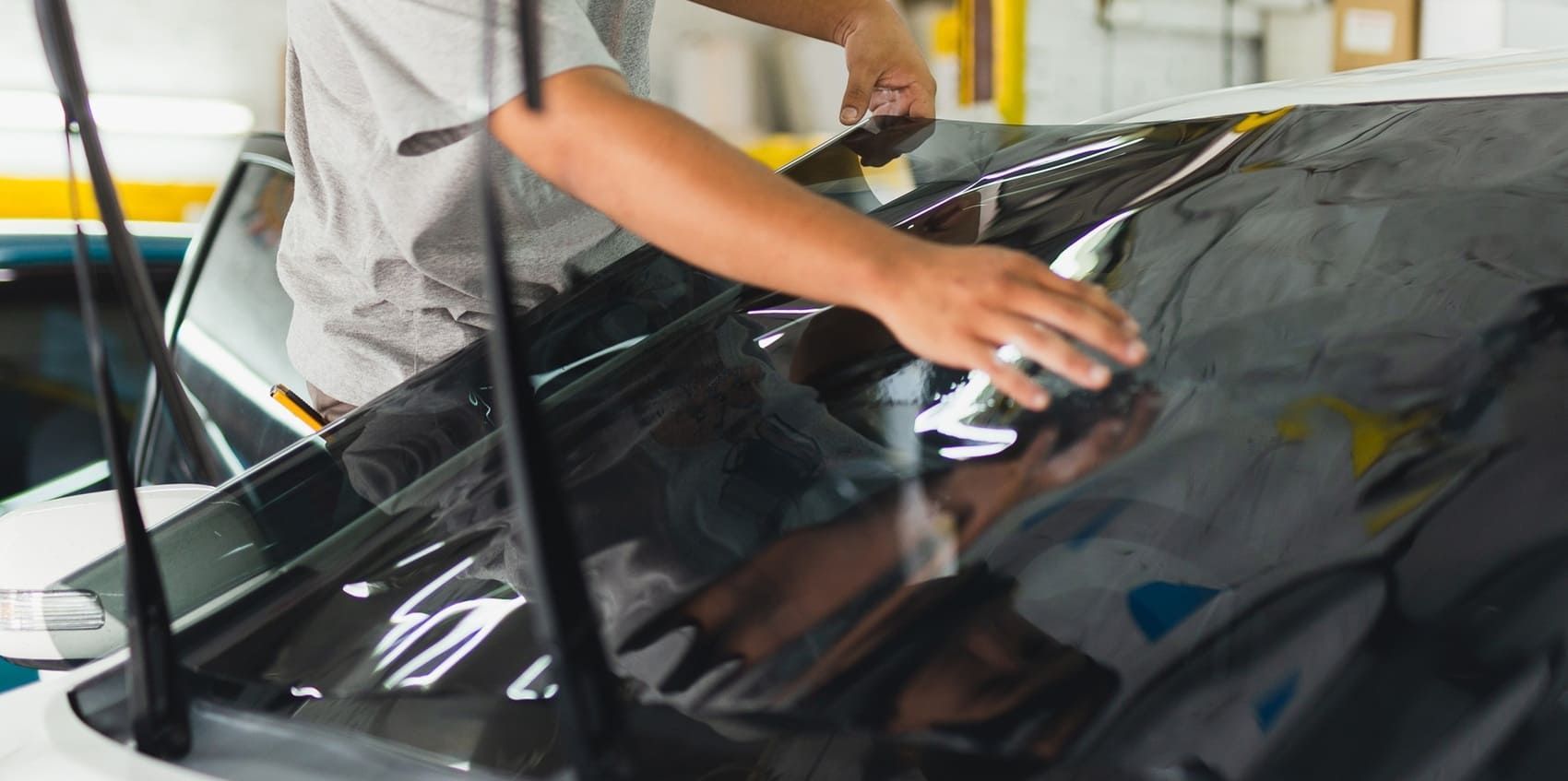
If there is one area where details matter most, it is the windshield. Most questions about “does window tint affect cameras” come down to the forward camera mounted behind the mirror. Windshield film can be installed safely on many vehicles, but it must be done with careful attention to camera and sensor zones, plus Florida tint rules.
Why the Camera Zone Is Critical
The forward camera is often mounted behind the rearview mirror inside a housing. The camera looks through a defined zone of the windshield. That zone must remain optically clean. If a film installation leaves contamination, haze, trapped moisture, or edge distortion in that zone, it can create detection issues. Even if the system does not fail, it can reduce consistency in certain lighting conditions.
ADAS Safe Window shield Tint Practices
- Pre inspection of glass : Windshield pitting, scratches, and haze already reduce camera clarity. If a windshield is heavily pitted from highway driving, the camera may already be compromised. Identify that before tinting.
- Choose a high clarity, non metallic film : Ceramic and nano ceramic films are common choices because they maintain clarity and avoid metallic layers.
- Precision shaping : Windshields are curved. Film must be heat shrunk and shaped correctly so it lies flat without stress lines or distortion.
- Clean install environment : A clean shop process reduces contamination. The camera area is especially sensitive to particles and streaks.
- Control moisture and edges : Proper squeegee technique and edge finishing help avoid trapped moisture patterns that could distort the camera’s view during curing.
- Post install verification : After installation, verify the camera zone looks uniform and clean. Then confirm there are no new dash warnings for lane assist, forward collision warning, or camera errors.
| Installation Area | Typical ADAS Sensitivity | Recommended Practice |
|---|---|---|
| Side windows | Low | Non metallic film for modern electronics |
| Rear window | Low | Care around defroster lines and visibility |
| Windshield camera zone | High | High clarity film and strict cleanliness standards |
When drivers search “lane assist window tint” they are usually looking for reassurance that tint will not compromise their safety features. The right answer is that the film and install quality determine the outcome. This is exactly why professional installation is the standard recommendation for ADAS vehicles.
6. Manufacturer Guidance and Calibration Considerations
Many vehicle owners also ask whether tint requires recalibration. It is a smart question because ADAS calibration is a real procedure. However, it is also often misunderstood.
Calibration is most often required after windshield replacement , after camera removal, or after collision repairs that affect camera alignment. If your windshield is original and the camera assembly has not been disturbed, adding a high clarity film typically does not automatically require calibration. The camera is still in the same position and still looking through the same glass, just with an optically clear film applied.
That said, there are situations where extra caution is appropriate:
- Recent windshield replacement : If the windshield was replaced recently, confirm it is the correct OEM equivalent and confirm whether the vehicle manufacturer required ADAS recalibration after replacement.
- Existing ADAS warnings : If your car already has a lane assist or camera warning, address that first. Tinting should not be used as a diagnostic experiment.
- Heads up display windshields : Some vehicles use special windshield layers for HUD. Film choice and installation details can matter more on these glass types.
Manufacturer recommendations can vary by model. The safest approach is to treat your vehicle as a system. Maintain clean glass, keep camera housings properly mounted, and choose a film designed for high optical clarity. If any warning lights appear after service work, consult qualified professionals to confirm whether calibration is needed.
A Practical Checklist for Vehicle Owners
- Confirm your windshield is in good condition before tinting
- Choose an ADAS safe window tint that is non metallic and high clarity
- Use a shop experienced with modern vehicles and windshield camera zones
- After installation, test lane keeping assist and forward collision alerts in normal driving
- If you recently replaced your windshield, confirm calibration status
7. Why Professional Installation Is Critical for ADAS
Professional installation is not just about aesthetics. On an ADAS equipped vehicle, it is a safety and performance issue because it controls the variables that can impact camera clarity and sensor reliability.
Cleanliness and optical discipline matter because cameras are unforgiving. A tiny particle or streak can be meaningless to the human eye at a glance, but a camera algorithm looking for lane lines may interpret it differently under certain lighting. Professional installers use controlled cleaning procedures and consistent application methods to reduce defects, especially in the windshield camera zone.
Correct material selection matters because different films have different optical and signal characteristics. If you want the best chance of avoiding window tint ADAS interference, you want a non metallic, high clarity product. This is why many South Florida drivers choose premium ceramic based films.
Vehicle specific knowledge matters because no two models are identical. Some vehicles have large camera housings, multiple sensors near the mirror, or special windshield coatings. A shop that regularly works on modern vehicles will be more likely to identify these details and install accordingly.
Accountability matters too. A professional shop can advise on warranty considerations, film performance expectations, and what to watch for during the curing period. They can also answer your questions about legal tint choices in Florida and provide guidance that aligns with your comfort goals.
BOCA TINT & AUDIO is a
Boca Raton window tint shop focused on modern vehicles and premium products. We are a SelectPro LLumar dealer installing
LLumar FormulaOne Window Tinting
products engineered for high optical clarity and compatibility with advanced safety systems when installed correctly.
FAQ: Boca Raton ADAS and Window Tint Questions
Does windshield tint affect lane keeping assist?
Lane keeping assist uses a forward facing windshield camera. A high clarity, non metallic film installed correctly is designed to maintain optical clarity. Poor film quality or poor installation can increase risk of camera issues.
Does window tint affect cameras used for forward collision warning?
Forward collision warning often uses the same forward camera and may also use radar. Side window tint does not affect it. Windshield tint quality and a clean camera zone are what matter.
Can tint interfere with adaptive cruise control?
Adaptive cruise control is usually radar based with camera support on some vehicles. Radar is typically in the grille area, not behind glass. Windshield tint can matter only if it introduces optical distortion for the forward camera.
Do parking sensors stop working after tint?
Parking sensors are commonly ultrasonic sensors mounted in bumpers. Tint on windows does not block them. Surround view cameras are external and see through their own lenses.
Do I need recalibration after installing window tint?
Typically no, if the windshield is original and the camera system was not disturbed. Calibration is most common after windshield replacement or camera removal. If a warning appears, consult qualified service guidance.
Are factory cameras compatible with ceramic tint?
Factory cameras are designed to operate through the windshield. A high clarity ceramic or nano ceramic film is engineered to maintain optical clarity and is often the preferred choice for ADAS safe window tint.
Will tint void my vehicle warranty?
Warranty outcomes can vary by manufacturer and circumstances. Tint usually does not void a warranty broadly, but damage caused by improper installation may not be covered. Professional installation and premium film reduce risk.
Is windshield tint legal in Florida?
Florida has specific rules for visible light transmission and windshield coverage. Choose a compliant option. A local Boca Raton shop can help you select a film that fits legal limits and your goals.
What is the safest tint type for ADAS equipped vehicles?
Non metallic films, especially ceramic and nano ceramic, are commonly recommended because they avoid metallic layers and support high optical clarity.
How can I confirm my ADAS works after tint?
After installation and curing, test lane assist, forward collision warning, and adaptive cruise control in normal driving conditions. Keep the windshield clean and watch for any warning lights. If anything changes, consult professionals promptly.
Conclusion and CTA
For most modern vehicles,
window tint does not have to be a threat to safety technology. The real question is not whether tint exists, but whether the tint is the right type and installed the right way. When you choose a premium non metallic film and apply ADAS safe window tint practices, you can reduce heat and glare while maintaining the optical clarity your cameras need. That is why high clarity ceramic and nano ceramic options are so popular with South Florida drivers who want comfort without compromising lane keeping assist, forward collision warning, adaptive cruise control, or other camera based safety features.
If you are in
Boca Raton, FL or surrounding areas and want expert guidance,
contact BOCA TINT & AUDIO. We are a
SelectPro LLumar dealer installing
LLumar FormulaOne Window Tinting products engineered for high optical clarity and compatibility with advanced safety systems when installed correctly. Call or message us today to get a
free estimate
and choose a window tint solution that improves comfort while preserving the advanced vehicle safety technology your car depends on.