

What's the Best Tint Shade for Night Driving in Florida? A Boca Raton Driver's Guide
If you drive in South Florida, you already know the trade-off: the same sun that makes window tint essential during the day can make some tint shades feel like a liability once the sun goes down. Glare from oncoming headlights, dim rural stretches of A1A, and late shifts on I-95 all raise a fair question — what's actually the best tint shade for night driving in Florida, one that still looks good, stays street-legal, and doesn't compromise your visibility after dark?
At
Boca Tint & Audio, a
LLumar SelectPro Dealer and exclusive installer of FormulaOne High Performance Auto Tint, we get this question constantly from drivers across Boca Raton, Delray Beach, Boynton Beach, Deerfield Beach, Pompano Beach, Fort Lauderdale, Lake Worth, Hollywood, and Coral Springs. The short answer is that the "best" shade isn't just about darkness — it's about the type of film, its Visible Light Transmission (VLT) percentage, and whether it's legally compliant for Florida roads. Below, we break down exactly what to look for so you can drive safer, stay legal, and still get the sleek, private look you want.
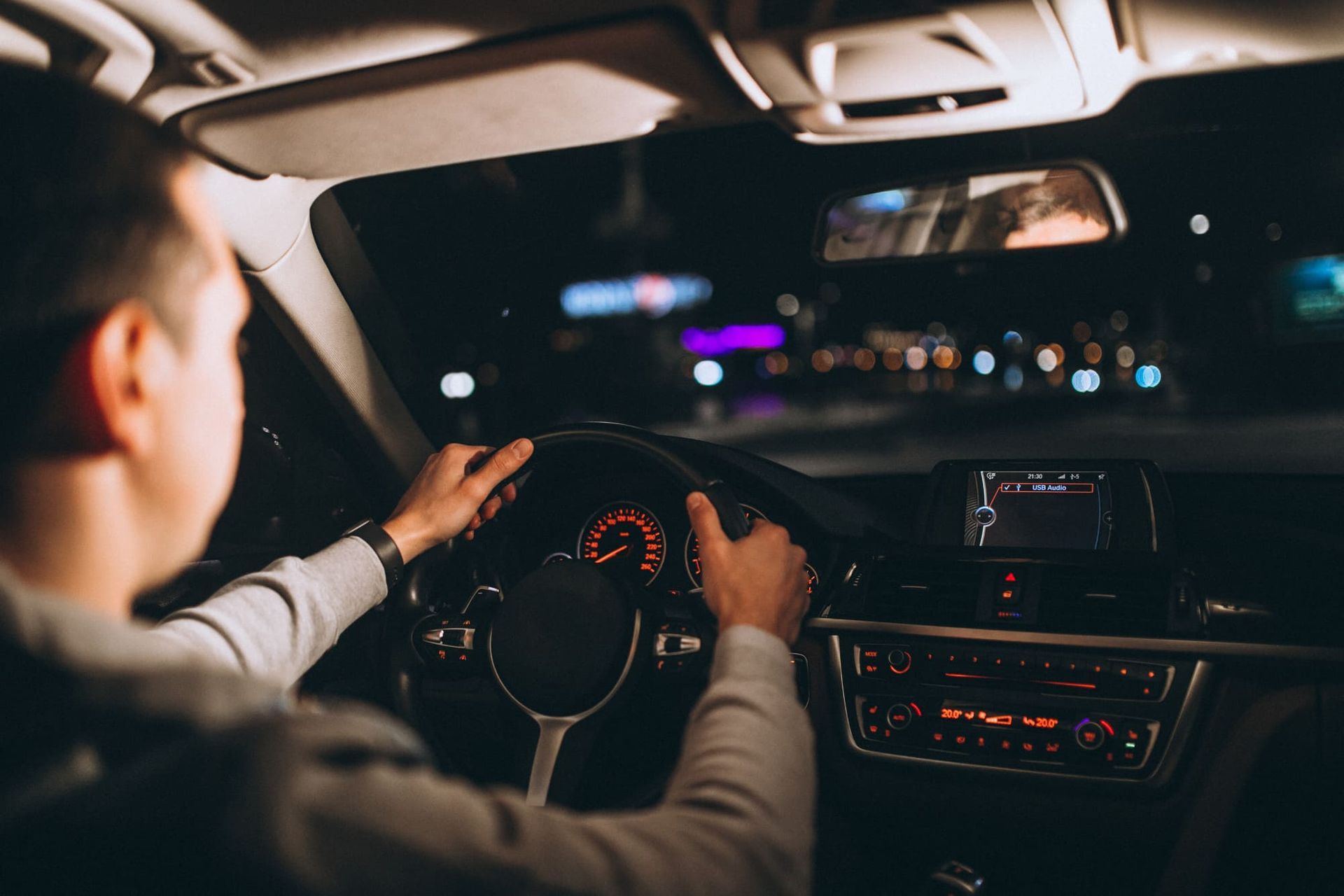
Why Night Driving Visibility Matters So Much in Florida
Florida has one of the highest rates of nighttime vehicle crashes in the country, and low-light visibility plays a major role. Add in frequent summer thunderstorms, fog on coastal roads, and the sheer volume of traffic on highways like I-95 and the Florida Turnpike, and it becomes clear why choosing the wrong tint can turn a stylish upgrade into a genuine safety risk.
Tint that's too dark — or made with outdated dyed film technology — can noticeably reduce how much light reaches your eyes at night. That matters most in three situations local drivers deal with every day:
- Merging onto dark highway ramps with limited streetlight coverage
- Judging distance from oncoming headlights on two-lane roads like US-1 or Powerline Road
- Spotting pedestrians, cyclists, or wildlife along unlit residential streets
The goal isn't to avoid tint altogether — it's to choose a shade and film technology that protects you from Florida's brutal daytime sun without dimming your world once it's dark.
What's the Darkest Legal Tint in Florida?
Before picking a shade, it helps to understand what Florida law actually allows. Tint darkness is measured in VLT (Visible Light Transmission) — the percentage of light that passes through your window and film combined. The lower the number, the darker the tint.
Legal VLT limits for sedans
- Windshield: Non-reflective tint only, and only above the manufacturer's AS-1 line
- Front side windows: Must allow more than 28% of light in
- Back side windows: Must allow more than 15% of light in
- Rear window: Must allow more than 15% of light in
Legal VLT limits for SUVs and vans
- Windshield: Non-reflective tint only, above the AS-1 line
- Front side windows: Must allow more than 28% of light in
- Back side windows: Must allow more than 6% of light in
- Rear window: Must allow more than 6% of light in
Florida also prohibits colored tint outright and caps reflectivity at 25% on front windows and 35% on back windows. These rules haven't changed since a 2015 update, though plenty of outdated sources online still cite the wrong numbers — so it's worth confirming with a licensed installer before you commit to a shade.
Does Window Tint Actually Make Night Driving More Dangerous?
This is the real question underneath "what shade is best" — and the honest answer is: it depends entirely on the film, not just the darkness level. Older dyed tints scatter and absorb light unevenly, which can create a hazy, low-contrast view at night, especially through the rearview mirror when following headlights. That's the experience that gives all tint a bad reputation for nighttime driving.
Modern ceramic and nano-carbon films behave very differently. Because they block heat and UV through advanced particle technology rather than simply darkening the glass, high-quality ceramic tint — like FormulaOne's Stratos and Pinnacle series — can sit at a legal front-window VLT while maintaining clearer, higher-contrast visibility after dark than older film ever could. In other words, the film matters just as much as the number.
Best Tint Shades and Film Types for Night Driving
For Florida drivers who want strong daytime heat and UV rejection without sacrificing night visibility, here's how the most common film categories compare.
| Film Type | Typical Front VLT | Night Visibility | Heat/Glare Rejection | Best For |
|---|---|---|---|---|
| Dyed Film | 20–35% | Weakest — can look hazy under headlights | Moderate | Budget-focused, daytime privacy |
| Metalized/Hybrid Film | 25–35% | Fair, but can cause light interference and signal issues | Good | Drivers wanting a metallic look |
| Ceramic Film (e.g., FormulaOne Stratos/Pinnacle) | 28–50% | Best — high clarity, reduced headlight glare | Excellent (up to 99% UV, strong IR rejection) | Daily commuters, night-shift drivers, highway commuters |
| Carbon Film | 30–50% | Good, minimal distortion | Very good | Style-focused drivers wanting a matte finish |
For most South Florida commuters, a 28% to 35% VLT ceramic film on the front windows offers the best real-world balance: it's legal, it dramatically cuts daytime heat and UV, and its optical clarity keeps headlight glare and contrast issues to a minimum after dark. On rear and back side windows, where Florida law allows darker film (down to 15% VLT on sedans), many drivers still choose ceramic in the 15–20% range for privacy, since those windows have less impact on your direct forward vision at night.
How to Choose the Right Shade for Your Vehicle
Picking the right combination isn't guesswork — it comes down to a few practical steps.
1. Start with how and when you drive
If you spend a lot of time on dark, unlit roads or drive for work at night, prioritize film quality (ceramic) over maximum darkness. If you're mostly a daytime commuter parked outside all day, you have more flexibility to go slightly darker for heat control.
2. Match the film to the window
Front windows should stay at or above Florida's 28% VLT minimum and lean toward ceramic for glare control. Back and rear windows can legally go darker, which is where most of your desired "look" comes from anyway.
3. Ask about IR (infrared) rejection, not just UV
UV protection prevents sun damage and skin exposure, but infrared rejection is what actually keeps your cabin — and your eyes — more comfortable, which indirectly improves alertness and visibility on long night drives.
4. Get it professionally installed and measured
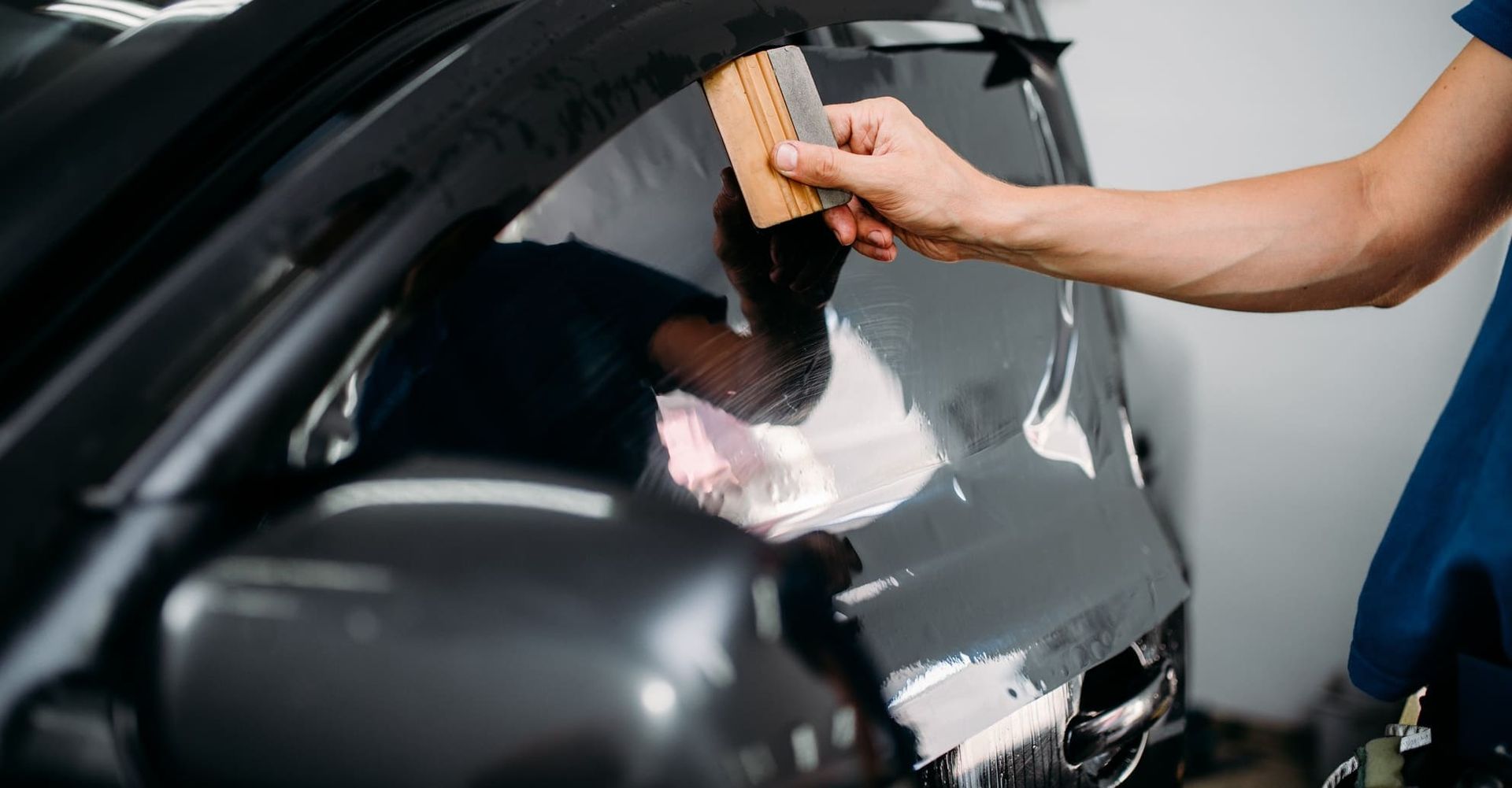
A professional installer can verify your VLT with a meter before and after installation, so you know exactly what you're getting — not just what a shade "looks like" on a swatch.
Common Mistakes Florida Drivers Make with Night Tint
- Choosing tint based on looks alone. A shade that looks great in daylight photos may behave very differently once the sun sets.
- Assuming darker automatically means better privacy and comfort. Film quality often matters more than darkness for both UV rejection and night clarity.
- Ignoring Florida's front-window VLT minimum. Going below 28% on front windows isn't just risky for visibility — it's also an easy way to get pulled over and fined.
- Skipping professional installation. DIY or bargain tint jobs are more prone to bubbling, inconsistent VLT, and glare-producing imperfections that get worse at night.
Frequently Asked Questions
What is the darkest legal tint for night driving in Florida?
Front side windows must allow more than 28% VLT, regardless of whether you drive during the day or night. Back windows and the rear window can go as dark as 15% VLT on sedans (6% on SUVs and vans), but the windshield only permits non-reflective film above the AS-1 line.
Does window tint make it harder to see at night?
It can, but mainly with older dyed films. High-quality ceramic films are engineered for optical clarity and can actually reduce distracting glare from oncoming headlights while staying within Florida's legal VLT limits.
Is ceramic tint better than regular tint for night driving?
Yes, in most cases. Ceramic film blocks heat and UV through nano-ceramic particles rather than dense pigment, which means it maintains higher visibility and contrast after dark compared to traditional dyed film at a similar VLT.
Can I get pulled over for tint that's too dark, even at night?
Yes. Florida's VLT requirements apply at all times, not just during daylight inspections. Law enforcement can measure tint darkness with a handheld meter regardless of the hour.
Will tint reduce headlight glare from other cars?
A properly rated ceramic or carbon film can meaningfully reduce glare and eye strain from oncoming headlights, especially on the front windshield strip and front side windows, without dropping below Florida's legal minimum.
What tint is best for someone who drives at night for work?
A 28–35% VLT ceramic film on the front windows is typically the sweet spot — legal, glare-reducing, and optically clear — paired with a slightly darker ceramic film on the rear windows for added privacy.
Conclusion and Next Steps
The best tint shade for night driving in Florida isn't simply the lightest or darkest option — it's the one built with film technology designed to protect your visibility, not compromise it. For most drivers across Boca Raton and Palm Beach County, that means a legally compliant, ceramic-based film in the upper-20s to mid-30s VLT range on front windows, professionally installed and verified.
With over 40 years of combined experience and an exclusive lineup of LLumar and FormulaOne films, Boca Tint & Audio helps drivers throughout Boca Raton, Delray Beach, Boynton Beach, Deerfield Beach, Pompano Beach, Fort Lauderdale, Lake Worth, Hollywood, and Coral Springs choose the right shade for both daytime comfort and nighttime safety. Our installations are backed by our performance guarantee, so your tint stays clear, bubble-free, and true to color for as long as you own your vehicle.
Ready to find the right shade for how you actually drive? Get a free auto tint estimate from Boca Tint & Audio today, or
call (561) 613-0353 to talk with a technician about the best film for your vehicle and driving habits.