
Which Tint Is Best for EVs: Heat Rejection vs. Signal Clarity in Boca Raton, FL?
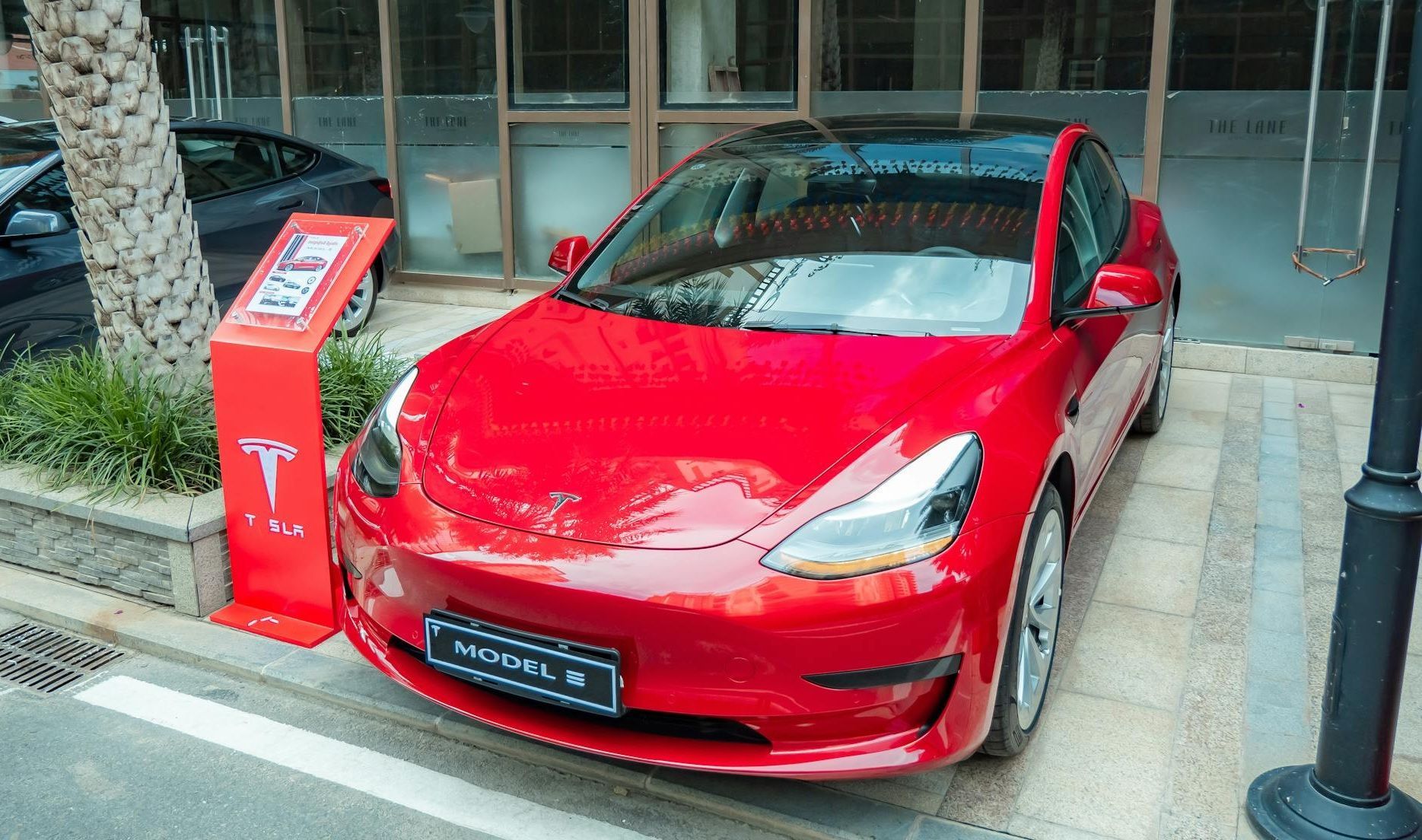
Nano-ceramic window tint is generally the best choice for electric vehicles because it combines strong heat rejection with signal-friendly, non-metallic technology. For Tesla, Rivian, Hyundai IONIQ, Kia EV6, and other EV owners in Boca Raton, FL, choosing the right window film means improving cabin comfort without compromising GPS, cellular connectivity, or other electronic features.
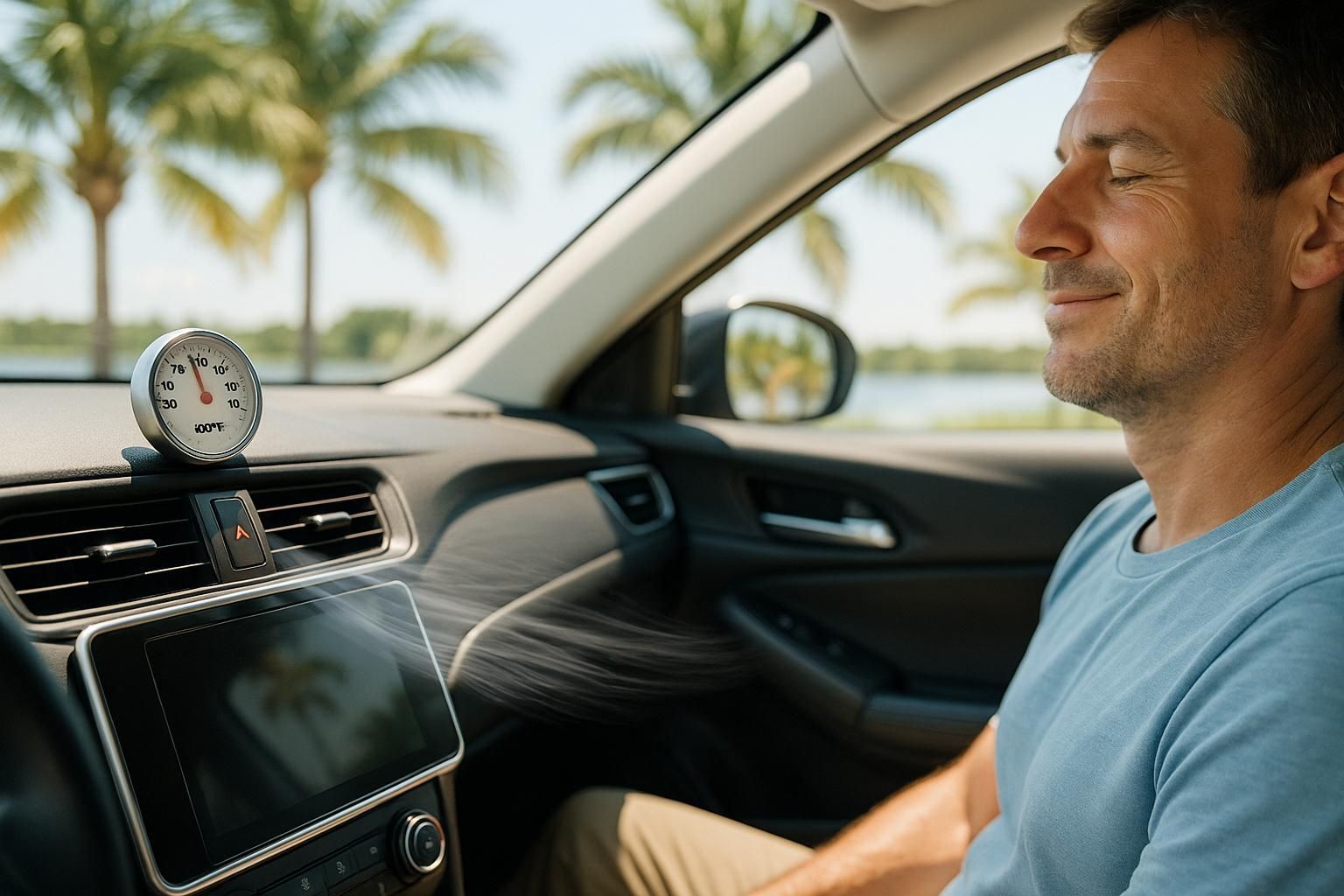
South Florida's intense sunshine makes this decision especially important. Large glass roofs, expansive windshields, and panoramic windows can allow significant solar heat into an EV's cabin. That added heat increases the demand on the air conditioning system, which draws energy from the vehicle's battery.
At Boca Tint & Audio, we specialize in professional automotive window tinting and car electronics. As Boca Raton's exclusive LLumar SelectPro dealer, we offer premium FormulaOne window films designed for modern vehicles, including advanced ceramic options that prioritize both solar protection and wireless connectivity.
Here's how to choose the right EV window tint for South Florida driving.
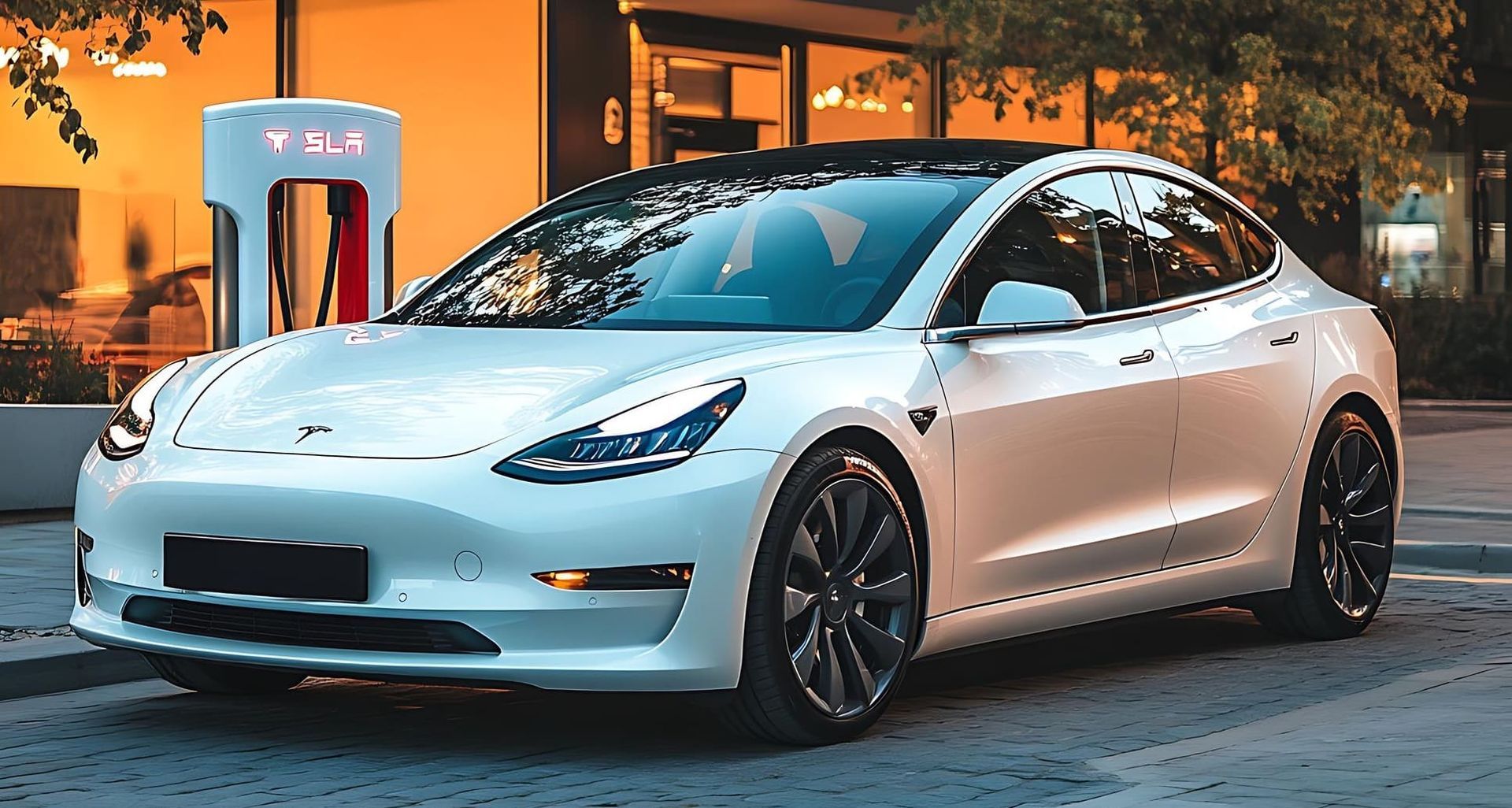
Why Do Electric Vehicles Need Specialized Window Tint?
Electric vehicles face many of the same sunlight-related challenges as gasoline-powered cars, but their battery-powered climate control systems introduce an additional consideration.
Every time your EV's air conditioning system works harder to cool an overheated cabin, it consumes electricity that could otherwise support driving.
Although window tint won't dramatically increase your driving range on its own, reducing solar heat gain can help improve comfort and potentially decrease cooling demand.
Large Glass Roofs Increase Solar Exposure
Many modern electric vehicles feature panoramic glass roofs, expansive windshields, and large side windows.
These designs create an open, spacious interior but can also expose passengers to substantial solar radiation.
Factory glass may already include heat-rejecting treatments, so the benefit of adding film depends on the vehicle's existing glass specifications.
Modern EVs Depend on Connected Technology
Electric vehicles commonly rely on GPS navigation, cellular data, Bluetooth devices, keyless entry, and wireless communication systems.
Some also use cameras and sensors for advanced driver assistance.
Choosing a non-metallic film helps minimize the risk of radio-frequency interference, while proper installation avoids obstructing cameras or other sensitive equipment.
Ceramic vs. Carbon vs. Metalized Tint for EVs
Not all automotive window films offer the same combination of solar protection, appearance, and electronic compatibility.
Understanding the differences can help you avoid choosing a film based on darkness or price alone.
| Tint type | Heat rejection | Signal compatibility | Best suited for |
|---|---|---|---|
| Nano-ceramic | High to very high | Excellent, non-metallic | Premium EV heat protection |
| Ceramic | High, depending on product | Excellent, non-metallic | Everyday EV comfort |
| Carbon | Moderate to high | Generally excellent | Budget-conscious EV owners |
| Dyed | Usually lower | Generally excellent | Appearance and basic glare control |
| Metalized | Moderate to high | Potential interference | Vehicles where RF compatibility is less critical |
Actual heat rejection varies by film formulation and shade. Compare manufacturer specifications rather than assuming every ceramic film outperforms every carbon or metalized product.
Why Ceramic Tint Is Usually the Best Choice
Ceramic window films use specialized non-metallic materials to manage solar energy.
High-performance nano-ceramic films can reject substantial infrared energy while maintaining good optical clarity.
Unlike films containing conductive metallic layers, properly designed non-metallic ceramic products do not create the same radio-frequency shielding concerns.
This makes ceramic tint particularly attractive for EV owners who want strong heat rejection without sacrificing everyday connectivity.
Can Metalized Tint Interfere With EV Signals?
Yes, some metalized window films can weaken radio-frequency signals under certain conditions.
Potentially affected systems include GPS receivers, cellular communications, satellite radio, and remote-entry functions.
Interference isn't guaranteed, and its severity depends on the film, antenna location, vehicle construction, and signal environment.
However, when a comparable non-metallic film is available, many EV owners prefer avoiding the additional uncertainty.
How Does Heat-Rejecting Window Tint Affect EV Battery Range?
Heat-rejecting window tint can reduce the amount of solar energy entering an EV's cabin, potentially decreasing the work required from its climate control system.
However, it's important to distinguish improved comfort from guaranteed range improvements.
Lower Solar Heat Gain Can Reduce Cooling Demand
When sunlight passes through vehicle windows, interior surfaces absorb energy and warm up.
The dashboard, seats, and trim then transfer heat into the cabin.
High-performance window film reduces some of that incoming solar energy, helping limit temperature buildup.
This may allow the air conditioning system to maintain comfortable temperatures with less effort under certain conditions.
Does Ceramic Tint Increase EV Driving Range?
It can potentially contribute to improved efficiency, but the actual range difference depends on many factors.
Vehicle design, glass area, outside temperature, driving speed, HVAC settings, and battery management all influence energy consumption.
For most EV owners, the strongest reasons to install ceramic tint are improved passenger comfort, reduced glare, and protection from ultraviolet radiation.
Any range benefit should be viewed as a possible secondary advantage rather than a guaranteed result.
What Do VLT, IR Rejection, and TSER Mean for EV Tint?
When comparing EV window films, three measurements are especially useful.
Visible Light Transmission (VLT)
VLT measures the percentage of visible light transmitted through the film or tested glass-and-film combination.
Higher VLT means more visible light passes through.
A lighter ceramic tint can still offer meaningful heat rejection, making it possible to maintain good visibility without selecting an extremely dark shade.
Infrared Rejection (IRR)
Infrared rejection describes how effectively a film reduces infrared radiation within a specified wavelength range.
Manufacturers may test different infrared ranges, so two advertised percentages aren't necessarily directly comparable.
A high infrared rejection percentage doesn't automatically mean the same percentage of total solar heat is blocked.
Total Solar Energy Rejected (TSER)
TSER measures the percentage of total incident solar energy rejected by a glass-and-film system.
For EV owners primarily concerned with overall solar heat reduction, TSER is one of the most useful performance measurements.
When reviewing specifications, compare products tested under similar conditions.
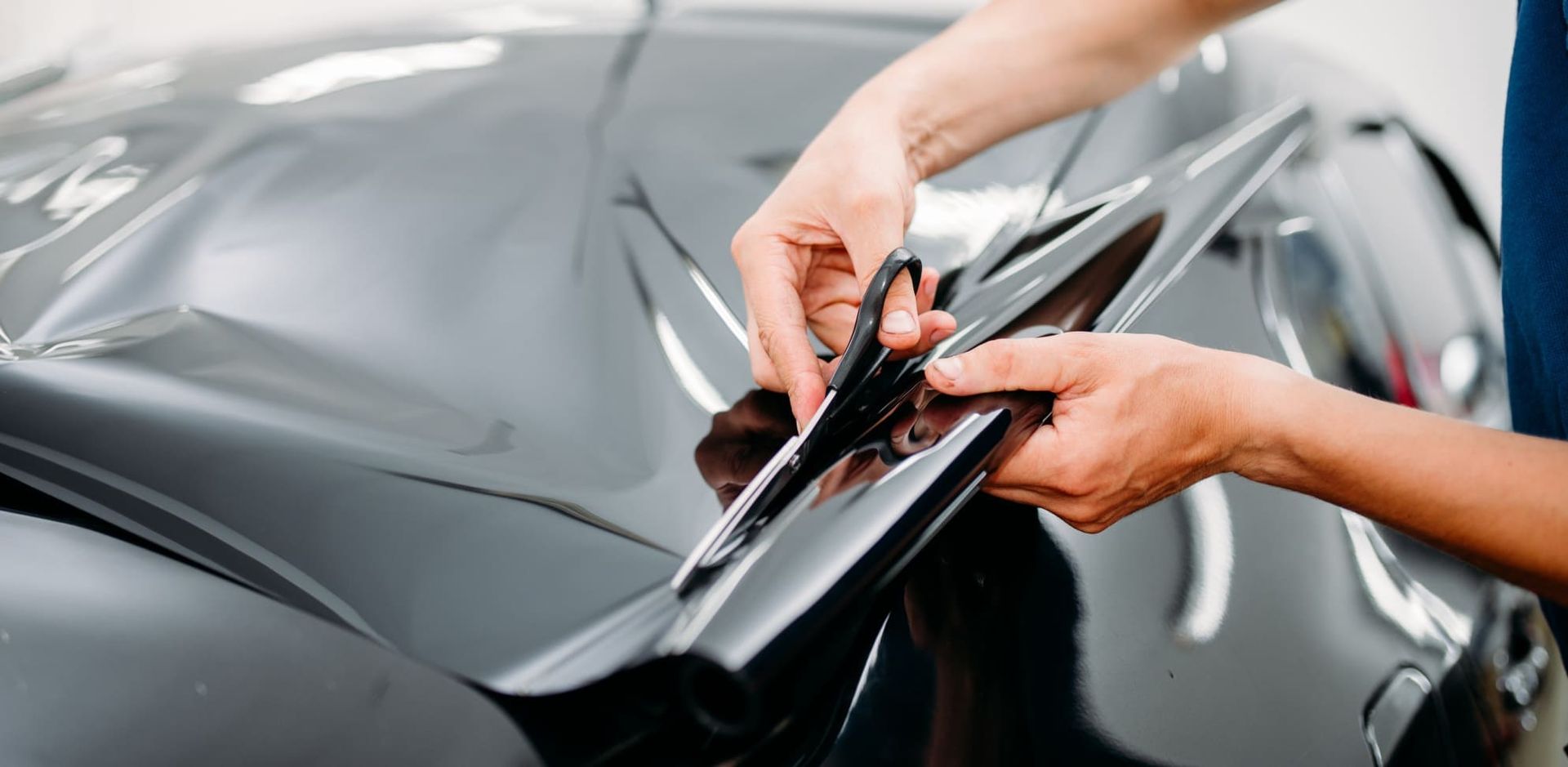
Which FormulaOne Window Tint Is Best for Electric Vehicles?
At Boca Tint & Audio, we offer premium FormulaOne films from LLumar, including options suited to drivers who prioritize maximum heat rejection, signal clarity, or a lighter appearance.
FormulaOne Stratos: Premium Heat-Rejecting Performance
FormulaOne Stratos uses advanced hybrid-matrix nano-ceramic technology to deliver high-performance solar protection.
It's an excellent option for EV owners seeking strong heat rejection, ultraviolet protection, and a refined appearance without metallic interference concerns.
Stratos is especially appealing for vehicles with extensive glass and drivers who regularly travel through South Florida's intense sunshine.
FormulaOne Pinnacle: Heat Protection and Connectivity
FormulaOne Pinnacle is another strong choice for electric vehicles.
Its nano-ceramic construction is designed to provide heat rejection, glare reduction, and UV protection without interfering with electronic signals.
For drivers who regularly use navigation, smartphones, satellite radio, and keyless entry, Pinnacle offers a practical balance of comfort and connectivity.
FormulaOne AIR: Heat Protection With a Clear Appearance
FormulaOne AIR is designed for drivers who want solar protection without significantly changing the appearance of their glass.
Its nearly clear nano-ceramic construction makes it useful for applications where maintaining high visible light transmission is a priority.
AIR can also complement factory-tinted glass, subject to glass compatibility and applicable tint regulations.
The right film depends on your EV's existing glass, preferred appearance, and specific heat-rejection goals.
Can Window Tint Affect Tesla Autopilot or EV Safety Cameras?
Properly selected and installed automotive window film should not interfere with vehicle cameras or advanced driver-assistance systems.
However, signal compatibility and camera visibility are separate considerations.
A non-metallic ceramic film may preserve wireless communication, but it must still be installed without obstructing optical sensors.
Protecting Cameras and Sensors
Many EVs use windshield-mounted cameras, rain sensors, and other systems that require unobstructed views.
Professional installers should identify these components before applying film and follow vehicle manufacturer restrictions.
Avoid placing film over camera viewing areas unless the application is specifically approved.
Why Professional Installation Matters
Poorly positioned film, excessive haze, or contamination can affect visibility.
At Boca Tint & Audio, our experience in both window tinting and automotive electronics helps us understand the importance of protecting modern vehicle technology during installation.
We recommend confirming windshield compatibility and manufacturer requirements before selecting any film for an EV.
How to Choose the Best Window Tint for Your EV in Boca Raton
Choosing the right window film involves more than selecting the darkest shade available.
A professional consultation helps match the film's performance to your vehicle and driving habits.
Step 1: Identify Your Biggest Concern
Determine whether your priority is reducing cabin heat, maintaining signal clarity, improving privacy, or controlling glare.
For most South Florida EV owners, heat rejection and connectivity are important starting points.
Step 2: Compare Film Performance
Review the film's TSER, infrared rejection, ultraviolet protection, and visible light transmission.
Ask about the film's construction and whether it contains metallic components.
Step 3: Consider Your Vehicle's Glass
Factory-tinted glass, panoramic roofs, and windshields may require different approaches.
Some EV glass already incorporates advanced solar-control technology, so additional film should be evaluated for compatibility and expected benefits.
Step 4: Verify Florida Tint Regulations
Florida regulates window tint darkness and reflectivity.
For most passenger cars, the front side windows must allow more than 28% visible light transmission, while rear side and rear windows generally must allow more than 15%, subject to applicable requirements.
The combined transmission of the existing glass and installed film determines compliance. Windshield tinting is more restricted, so always verify the applicable rules before installation.
Step 5: Schedule Professional Installation
Experienced installation helps achieve consistent coverage, clean edges, and reliable long-term appearance.
At Boca Tint & Audio, we help customers select FormulaOne films based on their vehicles, comfort preferences, and performance expectations.
Frequently Asked Questions About EV Window Tint
What is the best window tint for a Tesla in Florida?
High-performance nano-ceramic tint is generally an excellent choice for Tesla vehicles in Florida. Products such as FormulaOne Stratos and Pinnacle offer strong heat rejection, UV protection, and non-metallic construction that supports wireless connectivity.
Does ceramic window tint block GPS or cellular signals?
Non-metallic ceramic window films are designed to avoid the radio-frequency interference associated with some metalized films. GPS, cellular, and Bluetooth performance should generally remain unaffected by properly installed signal-friendly film.
Is ceramic tint worth it for electric cars?
For many EV owners, yes. Ceramic tint helps reduce solar heat gain, improves passenger comfort, and provides ultraviolet protection. It can also reduce cooling demand under certain conditions, although driving-range improvements aren't guaranteed.
Can I tint my EV's panoramic glass roof?
Possibly, but compatibility must be confirmed first. Some panoramic roofs already feature specialized coatings or laminated glass. Additional film can alter heat absorption, so professional evaluation and manufacturer guidance are important.
Does darker tint always block more heat?
No. Modern ceramic films can provide substantial heat rejection at relatively light shades. Darkness primarily affects visible light transmission, while solar performance depends on the film's technology and specifications.
How long does ceramic window tint last?
Quality ceramic window tint can last many years when professionally installed and properly maintained. FormulaOne offers manufacturer-backed limited warranties on qualifying products. Coverage depends on the selected film and warranty conditions.
Where can I get EV window tinting in Boca Raton?
Boca Tint & Audio provides professional automotive window tinting at 4001 N Dixie Hwy, Boca Raton, FL 33431. We serve EV owners throughout Deerfield Beach, Delray Beach, Pompano Beach, Boynton Beach, Fort Lauderdale, Coral Springs, and surrounding South Florida communities.
Get Premium EV Window Tinting in Boca Raton, FL
The best window tint for an electric vehicle should do more than make the glass darker. It should reduce unwanted solar heat, preserve visibility, protect passengers, and support the technology you depend on every day.
For most EV owners, high-performance ceramic or nano-ceramic tint provides the strongest overall balance of heat rejection and signal clarity.
At Boca Tint & Audio, we bring over 40 years of combined experience in automotive window tinting and car electronics. As Boca Raton's exclusive LLumar SelectPro dealer, we offer premium FormulaOne films, including Stratos, Pinnacle, and AIR, to match different vehicle requirements.
Whether you drive a Tesla, Rivian, Hyundai IONIQ, or another electric vehicle, our team can help you choose a film that complements your vehicle's technology and improves comfort in South Florida's heat.
Call (561) 613-0353 or visit Boca Tint & Audio to request your free window tint estimate.
Visit us at 4001 N Dixie Hwy,
Boca Raton, FL 33431. We're open Monday through Saturday, 9 AM to 5 PM, and proudly serve drivers throughout Boca Raton and surrounding Palm Beach and Broward County communities.